Not So Typical Fitness
It started with a Christmas party that changed everything. What I thought was anxiety turned out to be my first autistic shutdown; the moment that led me to discover I’m AuDHD. This is my story of late diagnosis, self-discovery, and learning that being different isn’t something to fix; it’s something to understand, accept, and advocate for.
You don’t need a full workout to feel the benefits of movement. From stretching in bed to taking short walks, discover how small, consistent actions can boost your mood, mobility, and overall well-being.
UK personal trainer prices for 2026: in-person sessions typically cost £30–£50 per hour and online coaching £100–£250 per month. Here's what you actually get for your money.
After years of pushing through exhaustion, I hit burnout and had to relearn how to move my body with care instead of punishment. This is the story of how I rested my way back to strength, found joy in tiny steps, and rebuilt a sustainable, guilt-free relationship with exercise.
If you’re new to the gym, you don’t need to train every day. In fact, starting with 2–3 sessions per week is the best way to build confidence, avoid burnout, and make fitness a routine you can actually stick to. Small steps really do add up.
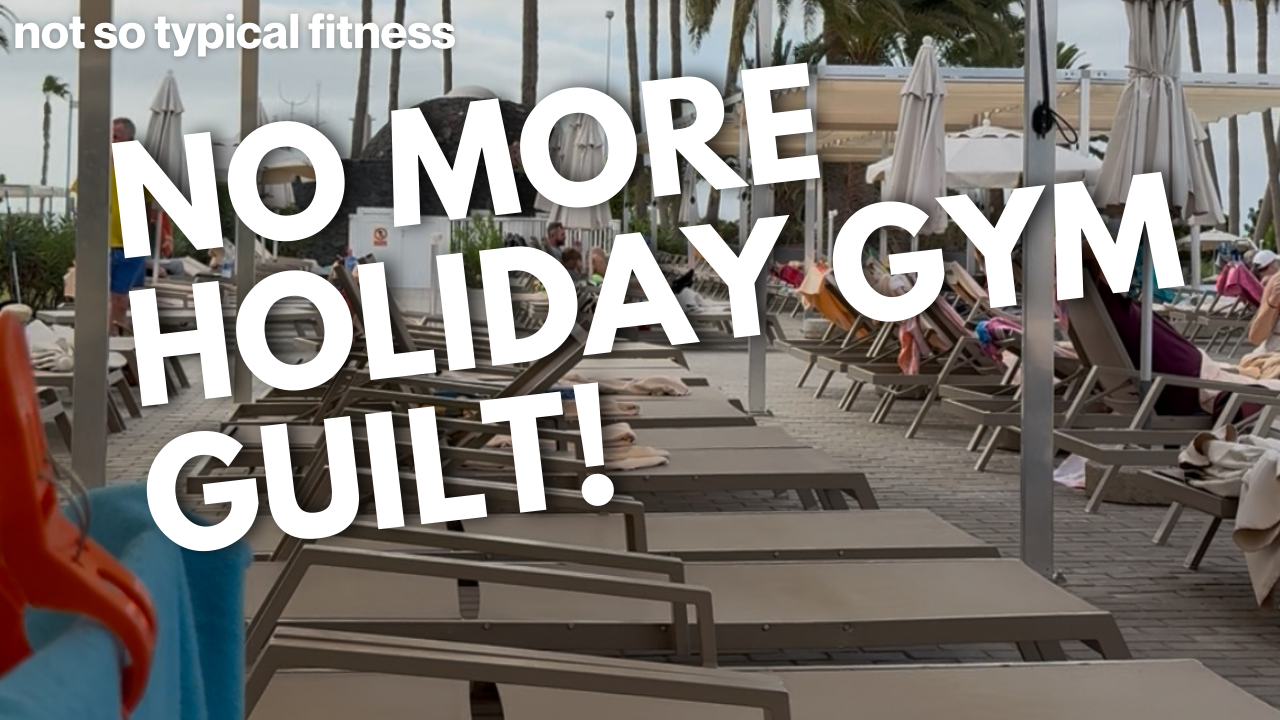
On my recent holiday at Riu Paraiso in Lanzarote, I had every intention of using the hotel gym. I even stepped inside to check it out. But in the heat, my body was asking for rest, not another workout. Here’s why skipping the gym on holiday is not only okay, but it can actually help your fitness journey.
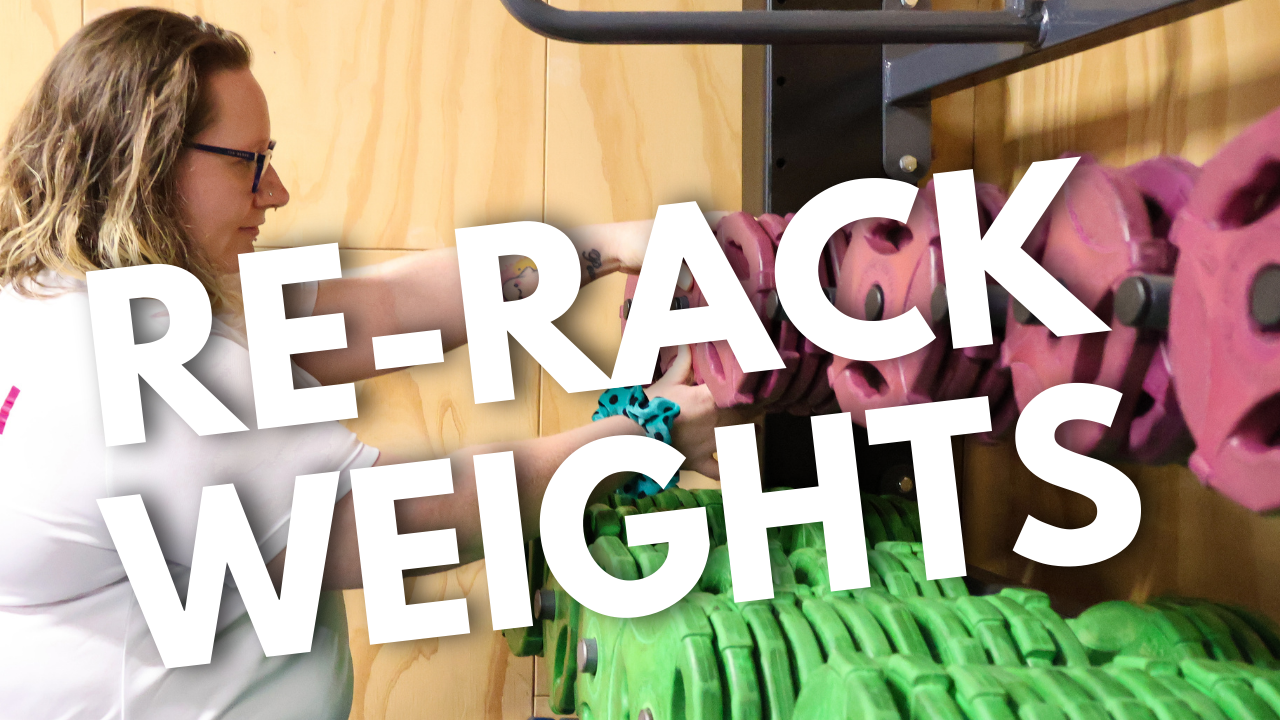
While working a late shift at the gym, I asked someone to re-rack their barbell. Instead of putting it back, she threw the clips and plates onto the floor. It was frustrating, but it highlighted something bigger: re-racking isn’t just about neatness, it’s about respect, safety, and making gyms more welcoming for everyone.
Small wins you experience tell a far bigger story about your wellbeing than quick wins can. In this post, we’re celebrating 5 powerful signs of real progress that often happen long before the number on the scale changes.
Traditional gyms often fail neurodivergent people. But with a sensory-safe, flexible approach, fitness can finally feel doable. You don’t need confidence, perfect routines, or “discipline” to start. You just need a space that understands your brain and supports your body.
Fitness isn’t about being perfect — it’s about finding what actually feels right for your brain and body. If the gym has ever felt overwhelming or “not made for you,” this blog breaks down a kinder, more neurodivergent-friendly way to approach movement.