If you’ve ever wondered why you can’t stick to your plans, it’s not because you’re lazy; it’s because your brain feels unsafe. For autistic, ADHD, and anxious minds, motivation isn’t broken; it’s protective. This blog breaks down how to create “safe plans” that work with your brain instead of against it.
Worried lifting weights will make you “too bulky”? This common myth holds many women back from discovering the benefits of strength training. The truth is, lifting builds confidence, resilience, and health — not bulk.
If you’re new to the gym, you don’t need to train every day. In fact, starting with 2–3 sessions per week is the best way to build confidence, avoid burnout, and make fitness a routine you can actually stick to. Small steps really do add up.
A gym induction is a short, usually free session where staff show you around, explain the safety rules and demo the equipment before you train alone. Here's exactly what happens step by step, how long it takes, what to wear, and how to make it work if you're anxious, autistic or ADHD.
True fitness progress isn’t about dramatic transformations, it’s about the small wins that build confidence. In this post, I share a client story that shows how taking one small step in the gym can make all the difference.
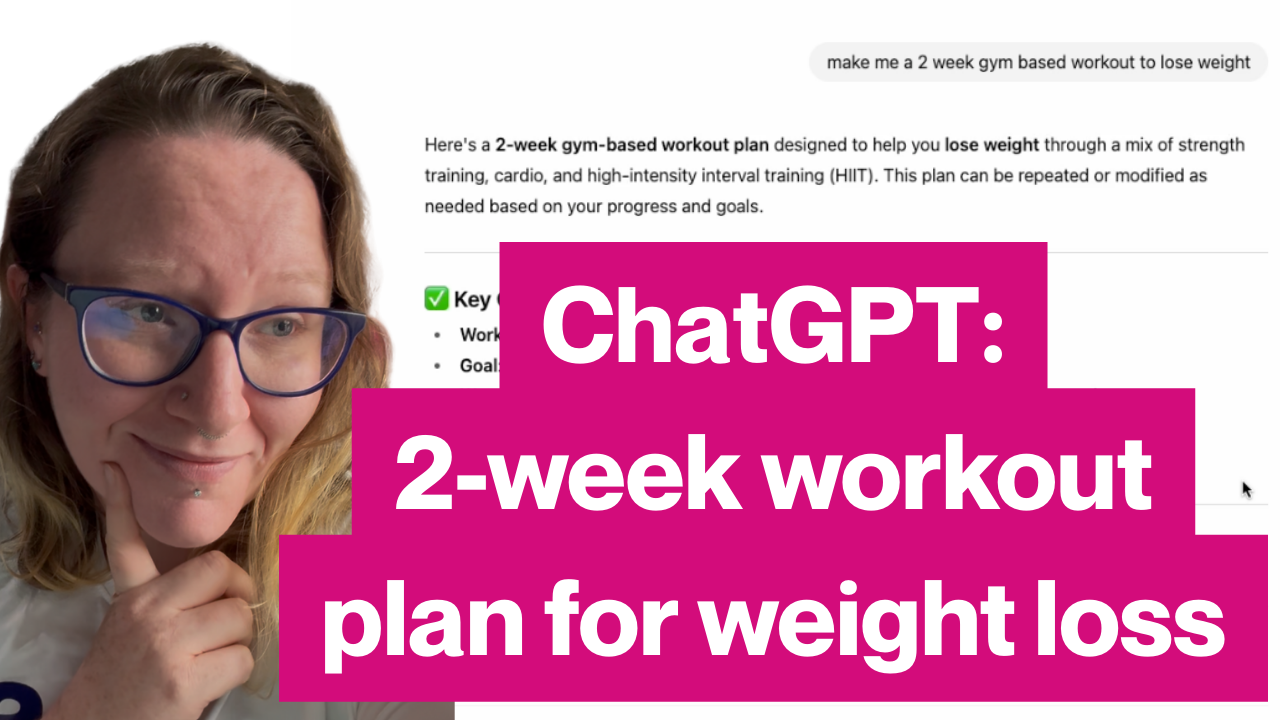
AI can write a workout plan in seconds, but should you follow it? I test a 2-week AI gym plan, reveal what works, what doesn’t, and share my Not So Typical fix to make it safe and realistic.
Walking into a gym for the first time can feel overwhelming. This complete guide covers everything you need to start your fitness journey with confidence; including neurodivergent-friendly strategies.
Small wins you experience tell a far bigger story about your wellbeing than quick wins can. In this post, we’re celebrating 5 powerful signs of real progress that often happen long before the number on the scale changes.
You’ll already know that it can be hard to see the very real changes other people see when looking in a mirror. By having something to look back on and draw a comparison to, you can make it so much easier to spot those changes.
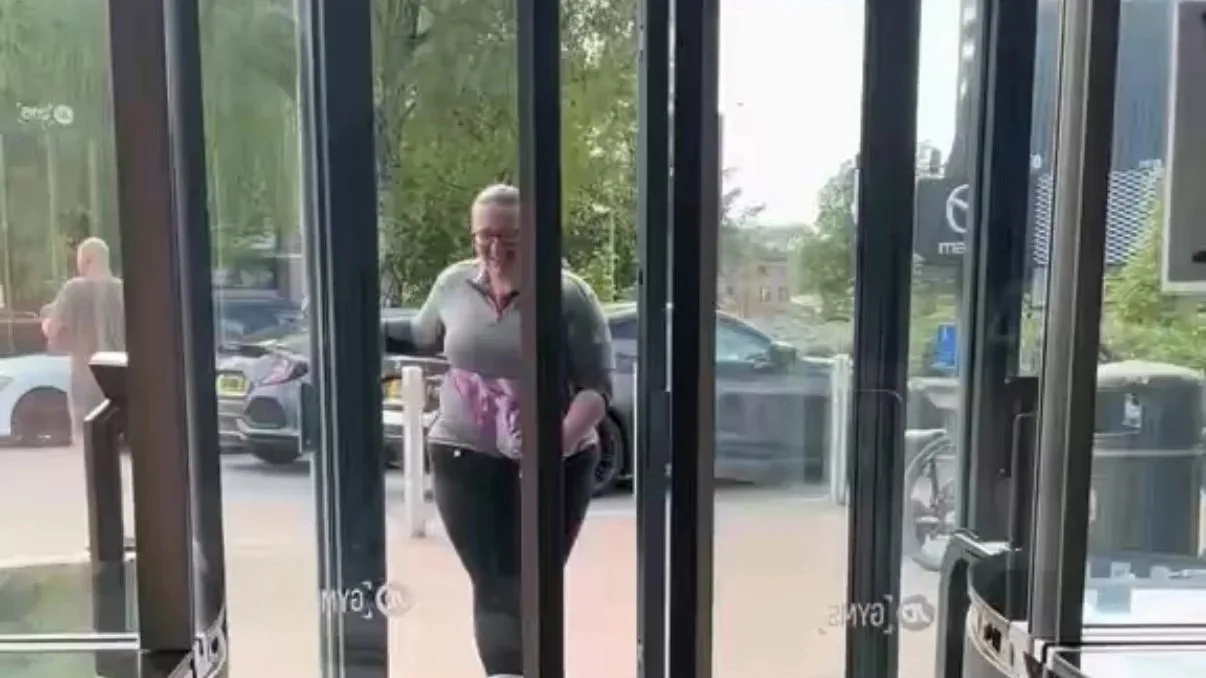
Gymtimidation is the fear of feeling judged or out of place at the gym. As an autistic and ADHD personal trainer, I've felt it too. Here's what triggers it, how to go to the gym alone, and the practical steps that actually help you overcome it.
Looking for the best gym in Wolverhampton? I compare JD Gyms, PureGym, The Gym Group, WV Active and more on what actually matters: how busy they get, how they feel to train in, equipment and price. Plus a quick quiz to find the right gym for you.
Confused by "3x10" and how long to rest between sets? Here's reps and sets explained in plain English, with practical, neurodivergent-friendly tips for actually keeping track once you're in the gym.









You’ll already know that it can be hard to see the very real changes other people see when looking in a mirror. By having something to look back on and draw a comparison to, you can make it so much easier to spot those changes.