
Sensory Overload at the Gym: Why It Happens and What Helps
Why do I feel overwhelmed at the gym?
Gyms layer loud music, clanging weights, bright lighting, strong smells and crowds all at once. If your brain processes sensory input more intensely, as many autistic and ADHD brains do, that combination can tip into sensory overload: panic, dizziness, irritability or shutdown.
It isn't weakness, and you don't need to toughen up. The fix is changing the environment: noise-cancelling headphones or earplugs, quieter times, a calmer corner, comfortable clothes and planned breaks.
Table of Contents
Why the Gym Feels Overwhelming
Step 1: Create a Sensory-Friendly Environment
Step 2: Choose Movement That Doesn't Add to the Overload
Step 3: Breaks, Rest and Recovering From Overload
Step 4: Quick Fixes for Common Sensory Barriers
Why You Might Feel Overwhelmed or Panicky at the Gym
Do you ever walk into a gym and feel your heart racing? But not from exercise, but from panic?
The lights feel too bright. The music is thumping through your chest. You can hear clanking weights, echoing footsteps, and just general noise and commotion from every direction.
Well, first of all, you’re not weak, dramatic, or lazy. You’re probably overstimulated.
For many autistic, ADHD, and neurodivergent people, the gym can trigger sensory overload.
As a neurodivergent personal trainer, I understand these challenges firsthand. My neurodivergence shapes how I approach fitness, and everything in this guide comes from both professional training and lived experience.
That’s the overwhelming feeling when too many sights, sounds, and sensations hit all at once. Even for neurotypical people, it’s common to feel anxious or out of place in fitness spaces.
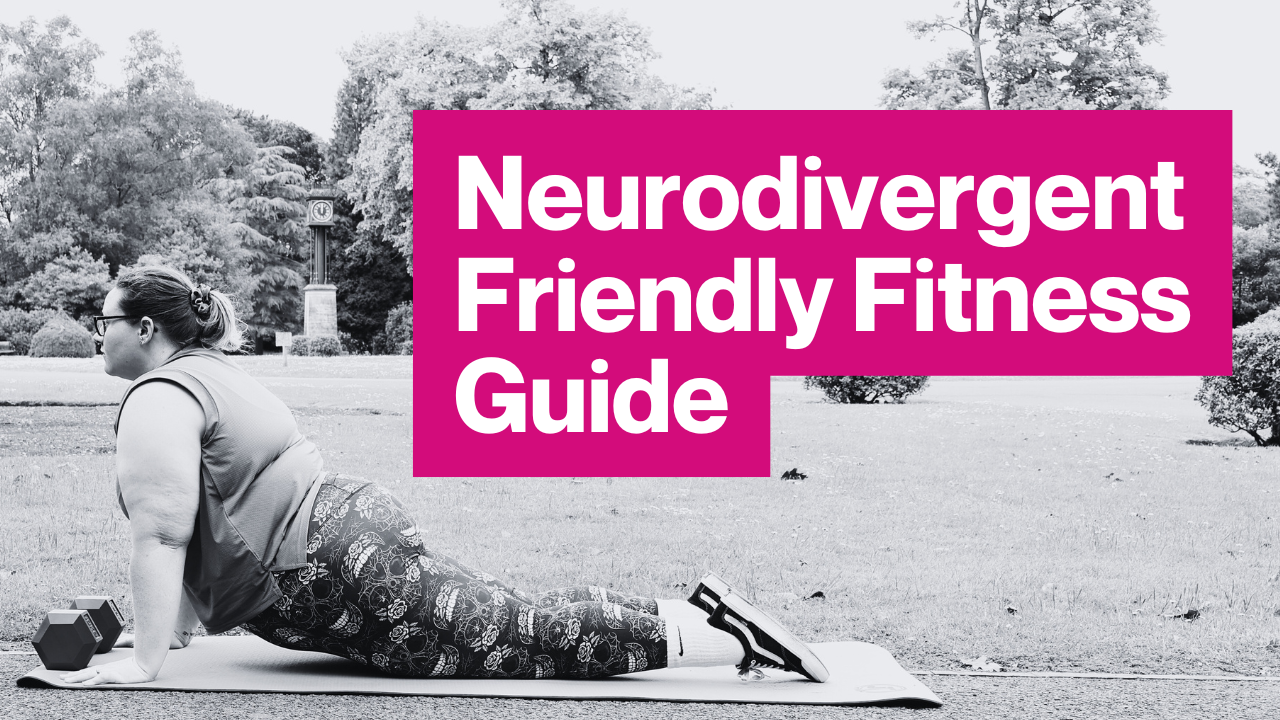
If you’re the type of person that thinks:
“Why do I panic at the gym?”
“Why do I feel overwhelmed by the noise and lights?”
“How can I manage my sensory sensitivities while working out?”
You’re in the right place. Because this guide explains why sensory overwhelm happens, how to create a calmer workout environment and practical ways to build fitness habits that work with your brain, not against it.
Struggle With Anxiety or Sensory Overwhelm at the Gym?
If bright lights, loud music, or crowded gyms make you panic or shut down, you're not alone — and it's not your fault.
The Gym Anxiety Toolkit is a free resource designed to help you feel calmer and more in control when you exercise.
- Quiet time planner to find calmer gym hours
- Sensory support checklist for before and during workouts
- Beginner workout script so you never feel lost
- Encouragement tracker to celebrate your wins
Start feeling confident in your workouts again, one calm, sensory-friendly step at a time.
Download the Free ToolkitWant a complete step-by-step guide? Read: Overcoming Gym Anxiety & Intimidation — 7 proven strategies, gym etiquette scripts, and a 4-week plan for anxious people.
Why Sensory Overload Happens at the Gym
Gyms are designed to energise, but that same energy can be a lot. It can feel overstimulating.
There are flashing lights, loud music, and then the constant motion of people and machines create an environment full of sensory input. When your brain processes those signals more intensely, it can lead to panic, shutdowns, or burnout before your workout even begins.
Here are some of the biggest sensory triggers in gyms:
Noise Sensitivity
There are lots of potentially jarring noises at the gym. These can include music, weights clanging, treadmill footsteps, people talking and then they can all mix together.
If your brain struggles to filter sounds, this layered noise can cause confusion, dizziness, or anxiety.
Rhiannon’s top tip: Try wearing noise-cancelling headphones or soft silicone earplugs (I use Loops). If possible, ask your gym when it’s quietest as some offer off-peak or quiet hours which can make all the difference.
Lighting Sensitivity
Gyms can have some really bright lights, mostly for safety but also in classes to create ‘atmosphere’. These fluorescent lights can flicker, make a low humming noise or just feel harsh. For some people who suffer migraines or are just more sensitive to light than others, bright light can trigger headaches or make it hard to focus on form.
Rhiannon’s top tip: If you can, choose a corner with softer lighting or even natural light. If you’re at home, you can set your workout space up with dimmable lamps and even use tinted lenses. In the gym though, wear a hat with a peak. It keeps the light out of your eyes.
Smell Sensitivity
Gyms are cleaned a lot, which is great, but it does mean that strong cleaning sprays can be present. There might also be perfumes, or even the scent of sweat can feel overwhelming.
Rhiannon’s top tip: Think back to covid times (sorry!) and consider keeping a light scarf or mask handy. If someone is wearing any overwhelming fragrance, remember that whilst it isn’t ideal, you can move to another area of the gym and in a worst case, you can step outside for a breather if smells start to build up.
Feeling Watched
For many people, both neurotypical and neurodivergent, mirrors, open spaces, or others watching can cause social anxiety. This can be exaggerated when you’re at the gym if you already feel like you don’t “fit in”.
Rhiannon’s top tip: Find quieter corners like stretching zones, women-only areas, or book a personal training session to build confidence in the gym in general. It does make a difference!
You’re Not Broken; the Gym Just Isn’t Designed for Everyone
The problem isn’t you. The problem is that most gyms are built around neurotypical, high-stimulation experiences with little concern around sensory regulation or accessibility.
Once you understand why your body reacts this way, you can start to make changes that help you thrive. That’s exactly what this guide is here to do.
Many neurodivergent people experience Rejection Sensitive Dysphoria (RSD)—intense emotional pain from real or perceived rejection. In fitness contexts, this shows up as: avoiding gyms after one bad experience, quitting when you miss a workout (feeling like you've 'failed'), catastrophising a trainer's neutral feedback, or people-pleasing to avoid disapproval. Understanding RSD helps you build habits that don't rely on perfectionism.
Next, we’ll look at how to create a sensory-friendly workout environment so you can move your body in ways that feel calm, safe, and sustainable.
What You’ll Learn in This Guide
This guide breaks it down into four sensory-friendly steps:
Create a Sensory-Friendly Environment - manage bright lights, loud music, smells and crowds.
Choose Low-Overwhelm Exercises - exercise that doesn't add to the overload.
Manage Energy & Rest - breaks, pacing and what to do when you hit burnout.
Quick Fixes - simple adaptations for the most common sensory barriers.
Remember that your fitness journey doesn’t have to look like anyone else’s. Take it one step at a time, listen to your body, and celebrate every small win. Progress is personal and if you feel ready to start, you’ve got this!
Step 1: Create a Sensory-Friendly Environment
Before choosing exercises or setting goals, start with your environment. You can set it up for success!
You’ll often hear things like ‘no pain no gain’ when you’re in the fitness world. But in my experience, if the space feels safe, calm, and predictable, you’re far more likely to build a routine that sticks.
There are so many people who give up on fitness not because they can’t do the exercise, but because the sensory experience feels too much. The good news? You can make simple changes to reduce overwhelm, both at home and at the gym.
What to Do When the Lights Are Too Bright at the Gym
If you’ve ever walked into a gym and immediately felt tense or dizzy, the lighting could be to blame. Fluorescent and LED lights often flicker or glare, even when you can’t consciously see it happening, and for autistic or those with ADHD, that tiny flicker can be a trigger for headaches, anxiety, or sensory shutdown.
Try this:
Ask gym staff if any areas have softer lighting (many have stretching or yoga zones with lower lights).
Wear lightly tinted glasses or a cap to dim brightness.
If you’re at home, use lamps or warm-toned bulbs instead of overhead lights.
In natural daylight, position yourself so the light/sun isn’t directly above or behind you.
Rhiannon’s top tip: Remember: you don’t need to “get used to it.” Adjust the environment instead.
What to Do When the Music Feels Too Loud
Many gyms play high-volume music to motivate people, but for neurodivergent gym-goers, that can actually do the opposite. Layered sound from speakers, weights, chatting and machines can quickly lead to overstimulation, panic, or fatigue.
Try this:
Noise-cancelling headphones or soft earplugs can make a massive difference.
Create a calming playlist, so think slow beats, ambient sounds, or even white noise.
Ask staff if the volume can be lowered (especially during quieter hours; it’s a valid accessibility request).
Time your sessions for off-peak hours, when the background noise is much lower.
Remember that you’re not “too sensitive”, the gym is just too loud.
How to Handle Strong Smells in the Gym
Smell is one of the most overlooked sensory triggers. Cleaning sprays, perfumes, deodorants, and even the mix of rubber and sweat can feel suffocating. Then if someone opens a smelly snack it can be game over before it’s even begun!
Try this:
Bring a light scarf, buff, or mask to reduce intensity.
Keep peppermint oil or a pleasant-smelling cloth in your bag to refocus your senses.
Step outside for fresh air during breaks. See it as a sensory reset, not a sign of weakness.
Finding a Calmer Spot to Exercise
Where you work out matters just as much as how you work out. If the main gym floor feels chaotic, look for quieter corners.
Ideas:
Use stretching zones (tone, flex, stretch areas) or some gyms have women-only areas which are quieter than the main gym. Often functional spaces will have fewer mirrors too.
Some gyms have sensory-friendly hours or accessibility rooms; ask your gym staff.
Position yourself away from high-traffic walkways and echo-prone walls (or walls where people will be doing ball slams or similar).
If mirrors make you anxious, face away from them or use equipment angled differently.
Remember that your comfort isn’t a luxury, it’s actually a foundation for success and something that you can control to a certain extent.
Creating a Sensory-Friendly Space at Home
If public gyms feel too much right now, start at home. You can build strength and confidence without the noise or pressure.
Tips for a calmer home workout space:
Keep your workout area tidy and clutter-free. Sometimes visual mess increases mental stress.
Use natural light if possible, or soft lamps instead of overhead lights.
Open a window or use a fan for good airflow and temperature control.
If neighbours make you self-conscious, play ambient background sound (like rain sounds) to reduce awareness of external noise and avoid ‘big’ movements like jumping.
Lay down a non-slip mat, and keep your essentials nearby (water, towel, fidget, etc.).
Remember that even a small corner of a room can become your sensory-safe movement zone.
Best Workout Clothing and Comfort Tips
Uncomfortable clothing can turn a good workout into a sensory nightmare. Itchy tags, rough seams, or tight waistbands can feel unbearable once you start moving and especially if you sweat.
Choose fabrics and fits that support you:
Soft, moisture-wicking materials like nylon or polyester keep you dry and reduce friction.
Avoid heavy cotton as it traps sweat and becomes clingy.
High-waisted leggings, seamless shorts, or compression wear can feel grounding and secure.
Remove potentially irritable tags and labels, and in a worst case, you can always wear something inside-out.
Rhiannon’s top tip: test new clothes at home first. Take some time to move, stretch, and notice how they feel before heading to the gym. For more details, read: The Truth About Gym Clothing - sensory-friendly fabric recommendations and what to avoid.
Preparing Your “Sensory Survival Kit”
Pack items that help you regulate when things start to feel too much. You might not always need them, but just knowing they’re there reduces anxiety (at least for me!).
Ideas for your gym bag:
Noise-cancelling headphones or earplugs
Fidget toy or textured keyring
Light scarf or mask (for smells)
Sunglasses or tinted lenses
Cap with a peak
A favourite water bottle or small snack
Squeezy squash if you don’t like the taste of water.
Calming essential oil or sensory aid
Remember that you deserve to feel safe in your body and your environment. That’s where progress really begins.
Not So Typical Top Tip
Test your sensory setup before you work out. Do a few gentle stretches, notice things, like how your body feels. Make any adjustments to light, sound, and even clothing until it feels right. Your comfort needs to become part of your training and not be an afterthought.
Step 2: Choose Movement That Doesn't Add to the Overload
Some exercises add sensory load: clanging barbells, pounding treadmills, fast-paced classes. Others are quiet, predictable and easy to pause. Resistance bands, dumbbells in a quiet corner, machines with a clear movement path, walking, cycling and swimming are all good starting points.
For full workout plans, exercise swaps and an ADHD-friendly routine, see my Neurodivergent Fitness Guide.
Grounding & Regulation Exercises
If you struggle with sensory overload, add a few grounding movements into your routine. These help calm your nervous system before, during, or after a workout.
Try things like:
Seated breathing, with slow inhales through the nose, slow exhales through the mouth.
Weighted blanket stretches, you’ll find the gentle pressure helps regulate sensory input.
Cat-cow or child’s pose are grounding, repetitive, and predictable.
Wall sits or bear holds can create a strong connection to your body and surroundings.
You can also end sessions with a short cool-down: a few deep breaths, a slow walk, or even a few minutes of quiet reflection.
One of the hardest parts of building a consistent routine when you’re neurodivergent is energy management. Some days you’re unstoppable, whereas on other days, even getting dressed feels like climbing a mountain.
That doesn’t make you lazy or inconsistent. It means your body and brain work differently, and they need you to listen.
So, this step is all about learning to move with your energy, not against it.
Why Your Energy Levels Fluctuate
This is something I've experienced personally. Read about my journey from burnout to balance and how I learned to rebuild a sustainable relationship with exercise.
Many neurodivergent people who are autistic and have ADHD experience energy dysregulation. This is rapid shifts between high focus and burnout. When you add in sensory overload, poor sleep, or fatigue from masking, workouts can feel impossible.
You might notice:
A great session one day followed by exhaustion for two.
Struggling to actually start a workout, even if you want to.
Feeling overstimulated halfway through and needing to stop suddenly.
The trick isn’t to “push through.” It’s to plan around your energy, not against it.
How to Pace Yourself During Workouts
Pacing is key to avoiding burnout and anxiety at the gym. Instead of trying to hit the same targets every time, try using flexible structures.
For example:
Use timers, not reps: Work for 30 seconds, rest for 30–60 seconds.
Rate your effort on a scale of 1–10, aim for around 6–7 most days.
Plan sensory breaks and step outside or sit quietly between exercises.
Alternate focus so a strength session one day, then stretching or walking the next.
Remember that your routine should flow with your week, your cycle, and your sensory needs.
The Power of Rest (and Why It’s Not “Quitting”)
Rest is part of training and not something you have to “earn.” When your nervous system is overloaded, a rest day might actually help your strength and motivation come back faster. The fitness industry often pushes "no pain, no gain," but that mentality is especially harmful for neurodivergent people. Read why I believe in ditching the "no pain, no gain" mentality.
Try to:
Schedule planned rest days into your week.
Include active recovery, like walking, yoga, or mobility work.
Listen for early signs of overwhelm: irritability, zoning out, or dread before sessions.
Remember, that even if your brain says “I can’t today,” it’s okay to listen. You’re still progressing by respecting your limits.
Micro-Workouts for Low-Energy Days
If you’re exhausted or overstimulated but still want to move, try micro-workouts. These can be tiny bursts of movement that count.
Some examples:
3 minutes of marching in place.
5 slow squats and shoulder rolls.
One song’s worth of stretching or dancing.
These small wins help to keep the habit alive without draining your reserves.
Remember that consistency is built from momentum, not intensity.
What to Do When You Hit Burnout
For neurodivergent people, rest isn't optional, it's essential. Pushing through exhaustion leads to burnout or shutdown. Learning when your body needs rest (even on holiday) is a skill worth developing. Sometimes burnout sneaks up on you, especially if you’re juggling work, sensory load, and the expectation to progress. When that happens, pause, reflect, and reset.
Ask yourself things like:
What drained me most this week; was it physical effort or emotional overwhelm?
Did I rest enough between sessions?
Do I need quieter environments or shorter workouts right now?
On really difficult days, remember: Some days I struggle too. Mental health affects fitness, and that's okay.
Give yourself permission to scale back. It’s not failure, it’s actually self-awareness.
Rhiannon’s top tip: track your energy and how you feel, not just your workouts. Think about using emojis, colours, or just numbers to rate how you feel before and after each session. Over time, you’ll spot patterns, like what time of day you feel best or what workouts recharge you instead of draining you.
Match the fix to the barrier. Start with whichever one affects you most.
| Barrier | Possible Adaptation |
|---|---|
| Bright lights | Work out during daylight, wear tinted lenses, or face away from direct lighting. |
| Loud music or chatter | Noise-cancelling headphones, quieter hours, or home workouts. |
| Crowds and overstimulation | Visit off-peak, choose smaller gyms, or set up a home routine. |
| Low motivation or executive dysfunction | Use visual reminders, set phone timers, or break sessions into small chunks. |
| Poor sleep or hormonal fatigue | Swap high-intensity workouts for gentle movement or stretching days. |
Want a Plan That Takes the Guesswork Out?
Fixing your environment is half of it. The other half is knowing exactly what to do once you're there.
Self-paced · £27 one-off
The Sensory-Safe Strength System
An 8-week programme for anxious and neurodivergent gym-goers: time-based workouts, sensory strategies and word-for-word scripts, so you never stand on the gym floor wondering what's next.
See the programme →1:1 support · online
Online Coaching
Want support built around you? I coach autistic, ADHD and anxious adults online, wherever you train, with programming that adapts to your sensory needs and energy.
Book a free discovery call →