
What to Wear to the Gym: A Beginner's Guide (You Don't Need Gym Clothes to Start)

Walking into a gym for the first time can feel overwhelming, especially when everyone seems to be wearing matching sets and expensive activewear. If you're worried about what to wear, you're not alone.
Here's the honest answer: you don't need to buy anything to start. Comfort matters more than brand names, and most people at the gym are far too focused on their own workout to notice what you're wearing.
I'm Rhiannon, a CIMSPA-registered personal trainer in Wolverhampton who specialises in coaching neurodivergent and anxious adults. This is the guide I give my clients before their first session.
Free: The No-Gym-Clothes Starter Checklist
A one-page printable covering what you already own that works, what to buy first (and what to skip), a sensory-friendly fabric guide, and three starting outfits at £0, £30 and £60.
Enter your email below and it's yours instantly.
Quick Answer: What You Actually Need
The absolute basics for your first gym visit:
Top: Any comfortable t-shirt or vest that lets you move freely
Bottoms: Leggings, joggers, or shorts that stretch and don't restrict movement
Shoes: Trainers with decent support (running shoes work fine)
Sports bra: If you need support (especially for cardio)
Optional: Socks without holes, water bottle, small towel
That's it. You don't need matching sets, expensive brands, or "proper" gym clothes.
Can I wear regular clothes to the gym?
Yes! As long as they're comfortable and safe (nothing that catches on equipment), regular activewear works perfectly.
Do I need expensive gym clothes?
No. Comfort matters more than brand names. An old t-shirt and leggings from the supermarket work just as well as £80 matching sets.
Will people judge what I'm wearing?
No. Everyone at the gym is focused on their own workout. You're invisible in the best way possible.
What to Wear If You Don't Have Any Gym Clothes
You don't need to buy anything to start. Here's what almost everyone already owns that works perfectly well for a first session:
- Any cotton t-shirt. It'll get sweaty. That's fine, that's what it's for.
- Joggers, leggings or pyjama bottoms that aren't too long or too loose.
- Old trainers with a flat, supportive sole. Running shoes are fine.
- A regular bra layered under a tight vest, if you don't own a sports bra yet.
That combination will get you through your first gym visit. Buy properly once you know you're going back, not before. There's no faster way to waste £80 than kitting yourself out for a routine you haven't started yet.
What to Wear If You Feel Self-Conscious About Your Body
Longer tops that cover your hips, high-waisted leggings, or a loose t-shirt layered over something fitted all give you coverage without restricting how you move. Baggy is completely fine, as long as it can't catch on equipment or get tangled in a machine.
Nobody at the gym is auditing your outfit. But if extra coverage is what gets you through the door, wear the extra coverage. The goal is showing up, not proving something.
The Truth About Gym Fashion Pressure
Looking for affordable activewear that doesn't suck? I've tested dozens of brands and only recommend three: Lucy Locket Loves, Unwonted Apparel, and Manzicca. They're designed for real bodies, not Instagram aesthetics. Get my discount codes (15-20% off).
Social media and fitness influencers have created massive pressure around gym clothing. Matching sets, luxury activewear brands like GymShark or Aybl, and the idea that you need to look "gym-ready" can make starting out feel intimidating.
This pressure can be especially intense if you're already dealing with gym anxiety. The last thing you need is to worry about whether you look trendy on top of everything else.
Here's the truth: It's okay to splurge on nice activewear if you enjoy it. But it's also important to know that it's not a necessity for a great workout.
Looking for sensory-friendly activewear that doesn't cost £80? I've partnered with Lucy Locket Loves, Unwonted Apparel, and Manzicca because they actually understand comfort over aesthetics. Soft fabrics, no scratchy seams, and they don't break the bank.
Get my exclusive discount codes here – including 15% off Manzicca and 10% off Lucy Locket Loves.

Why Comfort Matters More Than Style
When it comes to getting the most out of your gym session, comfort is king.
You don't want to be constantly adjusting tight leggings, dealing with a top that doesn't fit well, or wearing materials that make you feel overheated.
Trust me, I know.
What Makes Gym Clothes Comfortable
Choose comfortable gym clothing by finding clothes that:
Allow you to move freely without restriction. Proper fit helps you focus on your workout instead of worrying how you look.
Are made from materials that wick sweat and keep you cool. This is important if you plan on doing high-intensity or long-duration workouts that make you hot.
Offer extra support (e.g., sports bras or compression wear). Choosing items that offer this can make a huge difference in comfort and performance. For me, I want high waisted compression leggings and shorts because I want to 'hold in' my lower tummy.
Sensory-friendly activewear that doesn't cost £80
I've tested dozens of brands and only recommend three: Lucy Locket Loves, Unwonted Apparel and Manzicca. Soft fabrics, no scratchy seams, designed for real bodies rather than Instagram aesthetics.
Get my discount codes — 15% off Manzicca, 10% off Lucy Locket Loves →Sensory-Friendly Options for Neurodivergent Gym-Goers
Comfort is particularly important for neurodivergent people who may have sensory sensitivities. If certain fabrics, tags, or tight waistbands trigger sensory discomfort, you'll struggle to focus on your workout.
What to look for:
Tagless or seamless options (look for "flat seams" or "tag-free")
Soft, stretchy materials without rough seams
High-waisted leggings or looser-fit joggers that feel secure without restriction
Fabrics that don't make noise when you move
If clothing is the part you can control — but the gym still feels impossible
Getting the fabrics right genuinely helps. But if the sounds, the lighting, the crowds, or simply not knowing what to do next are the real barrier, no pair of leggings is going to fix that.
The Sensory-Safe Strength System is 8 weeks of gym workouts built for autistic and ADHD women. Every exercise has a sensory modification, plus escape routes for when you're overwhelmed and word-for-word scripts for the awkward moments. Written by a CIMSPA-registered PT who is neurodivergent herself.
Get lifetime access — £27One-time payment. Yours forever.
Our free community has become the best resource for finding sensory-friendly gym clothes. Members share:
- Specific leggings brands without that annoying inner seam
- Sports bras that don't feel like a cage
- Socks that stay up without cutting circulation
- Where to find tagless everything
Real recommendations from people who actually understand. No Instagram influencer BS. Join the free Neurodivergent Fitness Community
Read more about managing sensory challenges during exercise and how to create a sensory-friendly gym experience.
Struggling with sensory overload at the gym?
The clothes are just one piece. If fabrics, sounds, crowds, or bright lights make the gym feel impossible, the Sensory-Safe Strength System is specifically designed for autistic women.
What you get:
- 8 weeks of gym workouts with sensory modifications for every exercise
- "Escape routes" for when you're overwhelmed
- What to wear (including specific fabric recommendations)
- How to cope with gym sounds, smells, and visual triggers
- Word-for-word scripts for every awkward social situation
£27 for lifetime access. Learn more about the Sensory-Safe Strength System
What Actually Builds Gym Confidence
Feeling confident at the gym can make a significant difference in how you approach your workout. It's not about how you look to others, but how you feel in your own skin. Wearing clothes that make you feel good can boost your motivation.
Remember, building gym confidence is about so much more than what you wear, it's about small wins and consistent progress. But when you feel comfortable in your clothes, it's one less thing to worry about.
Whether it's a simple t-shirt and shorts, or a coordinated set, clothing choices help your mindset.
Tips for building confidence with comfortable gym clothing:
Wear colours you enjoy. Whether bright and bold or neutral and understated, wearing colours you enjoy can lift your mood. I float between these and wear what makes me happy on the day.
Remember that you're at the gym for yourself, not to compete in a fashion show. Wear what you like, even if it's not the latest trend. It really doesn't matter.
If pockets, adjustable waistbands, or extra coverage make you feel better, prioritise those features over style. Or, look for brands that do both. They are out there, just often they are expensive or out of stock.
Gym clothing can be fun, expressive, and functional, but it’s not what defines your fitness journey. You don’t need to spend a fortune to feel good during your workouts. Prioritise comfortable gym clothing and choose items that make you feel confident.
Remember that the most important thing is showing up and taking care of yourself. The best outfit is the one that makes you feel empowered. It might be a high-tech matching set. Alternatively, it is can be an old favourite t-shirt.
Next time you head to the gym, wear what makes you feel good and strong. Your confidence and comfort are what matter most, not the label on your clothing.
Complete First-Time Gym Outfit Guide
Not sure where to start? Here's what you actually need:
The Basics (What You Need)
Comfortable top (t-shirt, tank, whatever you like)
Bottoms that allow movement (leggings, shorts, joggers)
Supportive shoes for your activity
Sports bra if needed for support
That's it. Everything else is optional.
Optional Additions
Sweatband or headband if hair gets in your face
Lightweight jacket for warm-up/cool-down
Gym gloves if you're lifting weights
Sweat towel if you overheat easily
Water bottle (most gyms have refill stations)
What NOT to Wear
Jeans or restrictive materials that don't stretch
Shoes without support (flip-flops, sandals, dress shoes)
Anything with zippers or hardware that could catch on equipment
Clothes that are so loose they could get caught in machines
If you want detailed guidance on what to bring to your first gym session, including the practical stuff like water bottles and towels, check out the complete gym induction guide.
"Will People Judge My Gym Clothes?" (The Truth)
It's easy to fall into the trap of thinking everyone at the gym is paying attention to what you're wearing.
The truth?
Most people are too focused on their own workouts to notice.
Honestly.
The gym is a space for self-improvement, not comparison. Your comfort and confidence will greatly impact your performance. These factors matter more than any brand name you wear or style you embrace.
If you're worried about being judged or watched at the gym, you're not alone. This is one of the most common fears that keeps people from starting. Our guide to overcoming gym anxiety addresses this specifically, including word-for-word scripts for common social situations.
Remember: The best outfit is the one that makes you feel empowered. It might be a high-tech matching set. Alternatively, it can be an old favourite t-shirt. Both are equally valid.
Where our community actually finds this stuff
Leggings without the annoying inner seam. Sports bras that don't feel like a cage. Socks that stay up without cutting off circulation. Tagless everything. Real recommendations from people who understand why it matters — no influencer nonsense.
Join the free Neurodivergent Fitness Community →What Next
Brand new to gyms? The Beginner's Complete Gym Guide covers what the equipment does, gym etiquette, and your first workout.
Dreading the crowds? Find out when your gym is actually quiet and plan around the rush.
Sensory overload is the real barrier? The Sensory-Safe Strength System — 8 weeks of gym workouts designed for autistic and ADHD women. £27, lifetime access.
Want someone in your corner? I coach neurodivergent and anxious adults in Wolverhampton and online. Book a free discovery call, no pressure, no sales pitch.
Frequently Asked Questions
Q: What should I wear to the gym as a complete beginner?
A: Start simple. A comfy t-shirt, leggings or joggers, and trainers are all you need. Choose clothes that let you move freely and don't distract you. You'll figure out your preferences as you go; there's no perfect outfit, just what feels best for you.
PS: Not sure where to start with gym clothes? The Gym Anxiety Toolkit includes a printable packing list. Free download.
Q: Do I need to buy expensive gym clothes?
A: Not at all. Comfort and confidence matter far more than brand names. You can absolutely have a great workout in affordable or older clothes. Splurge only if it genuinely makes you feel good, not because of pressure from trends or influencers.
Q: Can I wear regular clothes to the gym?
A: You can, as long as they're safe and allow movement. Avoid anything that could catch on equipment or make you too hot. Many people start out wearing everyday activewear like joggers and t-shirts before buying anything "gym-specific."
Q: What shoes do I need for the gym?
A: A pair of comfortable, supportive trainers will do just fine. If you're doing specific activities like lifting or running, you can explore footwear made for those, but it's not essential when you're starting out.
Q: Do I need a sports bra for the gym?
A: If you have breasts, a supportive sports bra is highly recommended—especially for cardio or dynamic movements. It's not about looks, but about comfort and reducing strain or pain during your workout.
Q: What if I hate the feeling of sweat on my skin?
A: You're not alone! Look for lightweight, moisture-wicking fabrics that help you stay cool and dry. Bringing a small towel to pat away sweat can also help. Some people prefer short sessions with breaks to avoid overheating.
Q: Are there gym clothes without tags or seams?
A: Yes! Many brands now offer tagless or seamless options that are perfect if you have sensory sensitivities. Check labels for phrases like "flat seams" or "tag-free," or explore neurodivergent-friendly brands. The Sensory-Safe Strength System includes more tips on this.
Q: What should I wear if I have sensory sensitivities?
A: Choose soft, stretchy materials without rough seams or tight waistbands. Avoid anything that digs in, rubs, or makes noise. High-waisted leggings or looser-fit joggers can feel secure without restriction.
Q: Will people judge me for my gym clothes?
A: Most people are too focused on their own workouts to even notice. Everyone starts somewhere, and confidence grows over time. The more you focus on how you feel rather than how you look, the more empowering it becomes.
Q: What if my clothes don't match other people's?
A: That's completely okay. The gym isn't a fashion show, it's a space for self-improvement. You're not there to blend in; you're there to feel better, stronger, and more confident. Matching sets are optional, not a requirement.
Q: Can I wear baggy clothes to the gym?
A: Absolutely. If looser clothing makes you feel comfortable and less self-conscious, go for it. Just make sure it doesn't get in the way of equipment or movement. Comfort and freedom to move always come first.
Q: What should I wear to the gym if I don't own any gym clothes?
A: Any cotton t-shirt, joggers or leggings you already have, and old trainers with a flat sole. That's genuinely enough for a first session. Nobody will notice, and you'll learn what you actually prefer before spending money on it.
Q: What should I wear to the gym if I'm self-conscious about my body?
A: Longer tops that cover your hips, high-waisted leggings, or a loose t-shirt over a fitted layer. These give coverage without restricting movement. Baggy clothing is fine as long as it can't catch on equipment.
Q: What should I wear to the gym as a woman for the first time?
A: A comfortable t-shirt or vest, leggings or joggers, supportive trainers, and a sports bra if you need support. Nothing else is required. Choose clothes that let you move without needing constant adjustment.

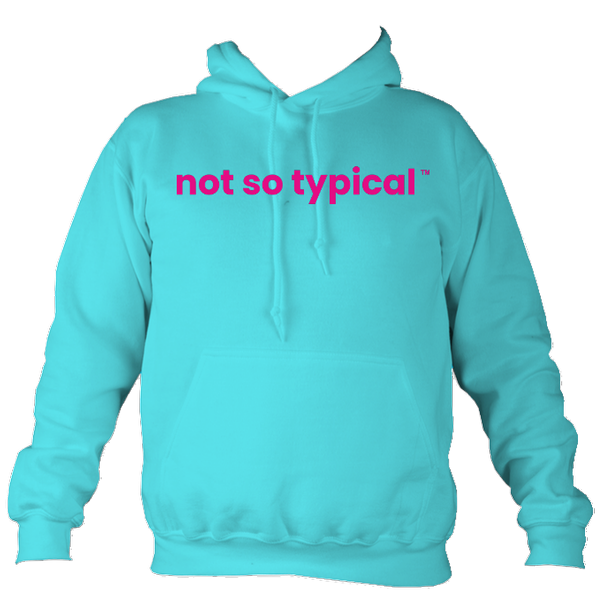
Soft lilac, loud message. The Not So Typical slogan sits across the chest in hot pink — an understated colour carrying a statement that isn't.
Built on the AWDis College Hoodie: 280gsm ringspun cotton-rich fleece (80% cotton, 20% polyester), double-fabric hood with self-coloured drawcords, kangaroo pouch pocket, and ribbed cuffs and hem that keep their shape wash after wash.
Unisex fit — take your usual size for standard, size up for slouchy.
Printed on demand in the UK and dispatched fast.
280gsm heavyweight fleece, 80/20 ringspun cotton/polyester
Double-fabric hood, self-coloured drawcords
Kangaroo pouch pocket, ribbed cuffs and hem
Unisex sizing
Printed in the UK