
The Not So Typical Fitness Blog
A space where fitness meets real life, without the pressure to fit the "perfect" mould. From breaking down gym anxiety to finding routines that actually work for neurodivergent minds and bodies.
Choose a blog category here:
-
Gym Accessibility
-
Mental Health
-
Getting Started
-
Neurodivergent Fitness
-
PT Qualifications
-
About Not So Typical Fitness

From Shutdown to Self-Advocacy: My Late Diagnosis Journey
It started with a Christmas party that changed everything. What I thought was anxiety turned out to be my first autistic shutdown; the moment that led me to discover I’m AuDHD. This is my story of late diagnosis, self-discovery, and learning that being different isn’t something to fix; it’s something to understand, accept, and advocate for.

The Benefits of Being Active & Moving Your Body
You don’t need a full workout to feel the benefits of movement. From stretching in bed to taking short walks, discover how small, consistent actions can boost your mood, mobility, and overall well-being.

Personal Trainer Wolverhampton Cost: Real Prices & What You Actually Get (2026)
As an AuDHD personal trainer based in Wolverhampton, I help autistic, ADHD, and neurodivergent people build realistic, anxiety-friendly fitness routines that work with your brain, not against it.
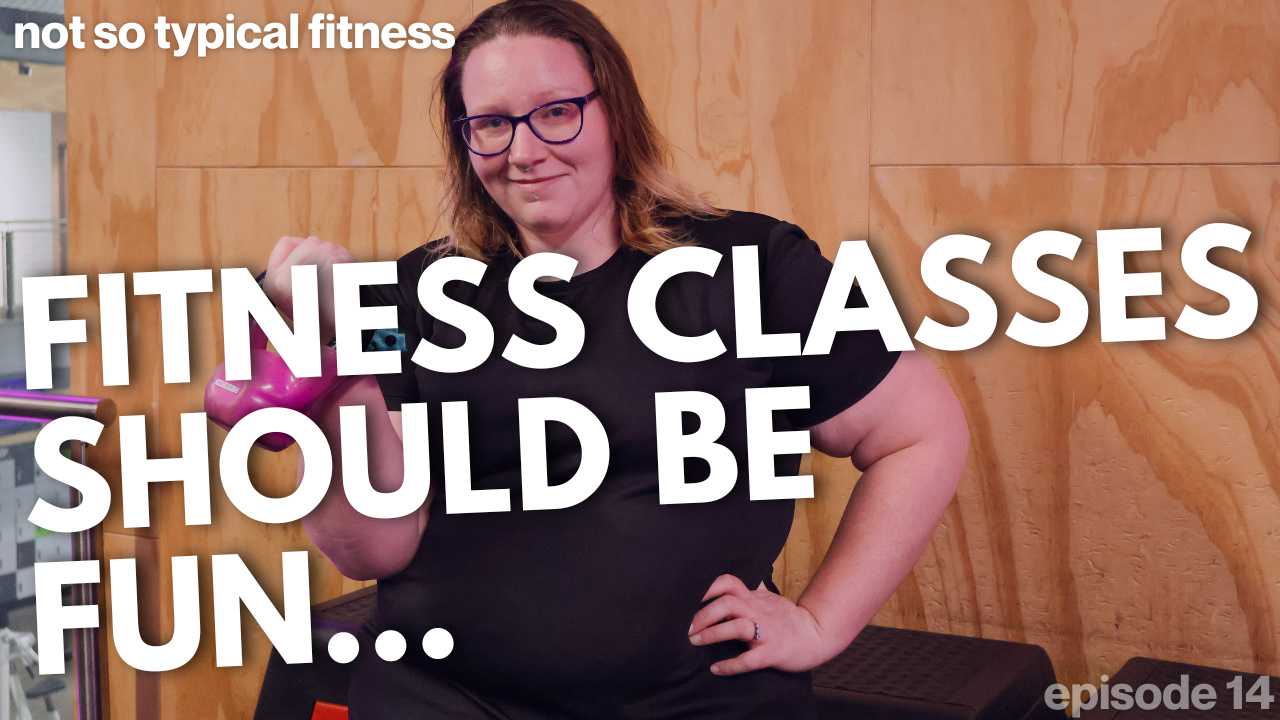
Burnout to Balance: Rebuilding My Relationship with Exercise
After years of pushing through exhaustion, I hit burnout and had to relearn how to move my body with care instead of punishment. This is the story of how I rested my way back to strength, found joy in tiny steps, and rebuilt a sustainable, guilt-free relationship with exercise.

How Many Times a Week Should You Go to the Gym?
If you’re new to the gym, you don’t need to train every day. In fact, starting with 2–3 sessions per week is the best way to build confidence, avoid burnout, and make fitness a routine you can actually stick to. Small steps really do add up.
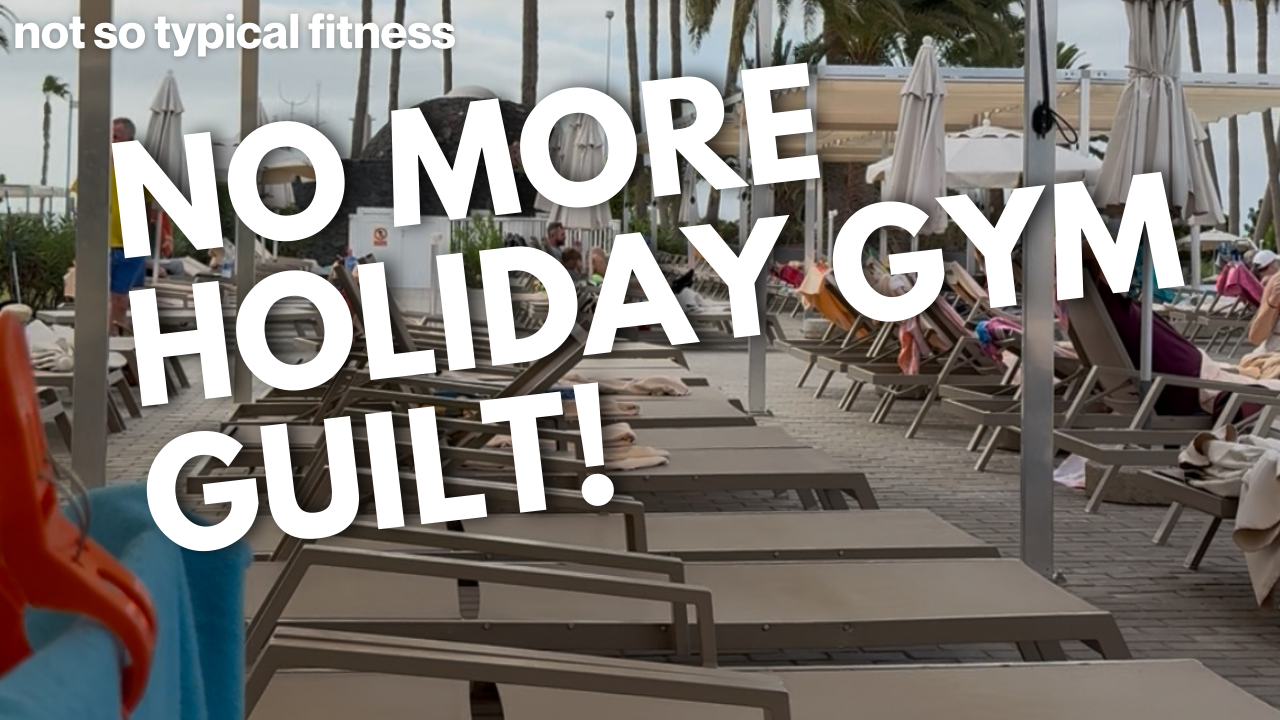
Why It’s Okay If You Don’t Use the Hotel Gym on Holiday
On my recent holiday at Riu Paraiso in Lanzarote, I had every intention of using the hotel gym. I even stepped inside to check it out. But in the heat, my body was asking for rest, not another workout. Here’s why skipping the gym on holiday is not only okay, but it can actually help your fitness journey.
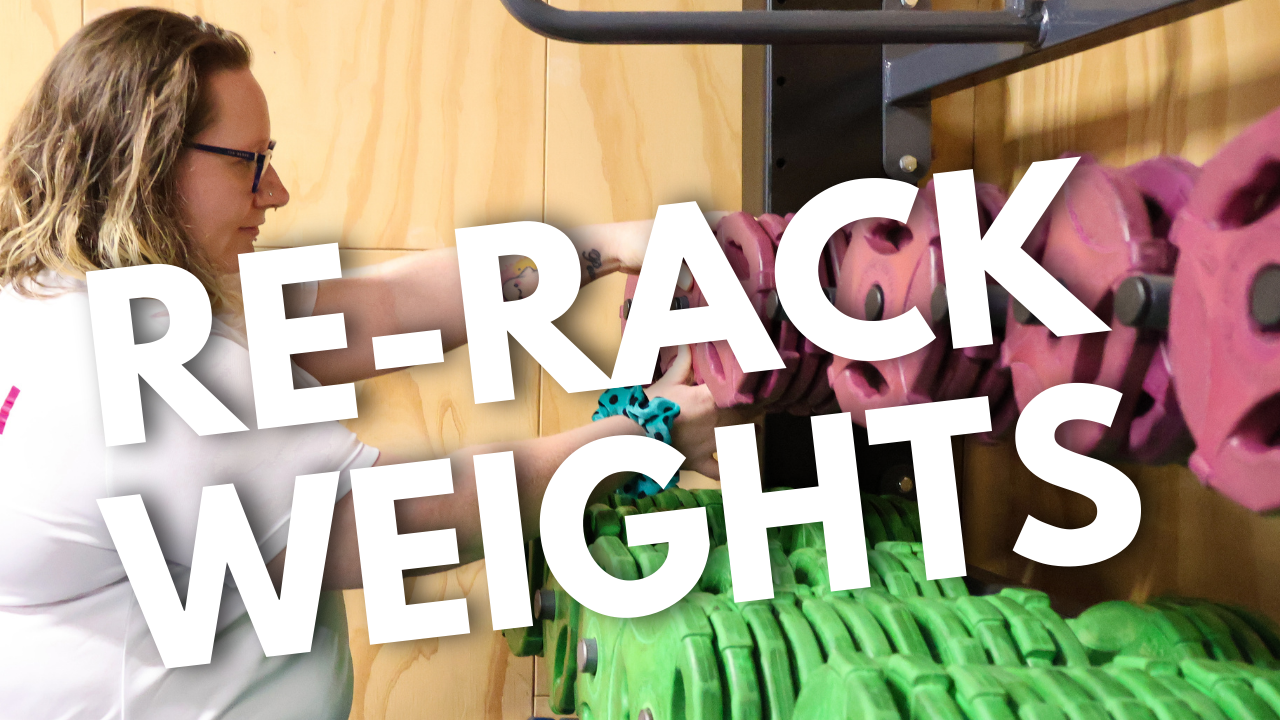
Respect in the Gym Starts With One Simple Habit
While working a late shift at the gym, I asked someone to re-rack their barbell. Instead of putting it back, she threw the clips and plates onto the floor. It was frustrating, but it highlighted something bigger: re-racking isn’t just about neatness, it’s about respect, safety, and making gyms more welcoming for everyone.

5 Small Wins That Matter More Than Weight Loss
Small wins you experience tell a far bigger story about your wellbeing than quick wins can. In this post, we’re celebrating 5 powerful signs of real progress that often happen long before the number on the scale changes.

Wolverhampton's Neurodivergent Personal Trainer (AuDHD-Friendly Fitness That Works for You)
As a neurodivergent personal trainer based in Wolverhampton, I know firsthand how overwhelming bright lights, loud music, unclear instructions, and social expectations can be. Fitness should be a path to wellbeing, not another place you have to mask or struggle to fit in.
Fitness with Feeling - Not So Typical Personal Training
Fitness isn’t about being perfect — it’s about finding what actually feels right for your brain and body. If the gym has ever felt overwhelming or “not made for you,” this blog breaks down a kinder, more neurodivergent-friendly way to approach movement.

Not Your Typical PT: Who I Am, How I Work and Where to Find Me
I'm Rhiannon and as an AuDHD personal trainer, I’ve been where you are. I offer inclusive, neurodivergent-friendly support for people who’ve felt left out of fitness spaces.

Health and Fitness That Works for Neurodivergent Brains
Traditional gyms often fail neurodivergent people. But with a sensory-safe, flexible approach, fitness can finally feel doable. You don’t need confidence, perfect routines, or “discipline” to start. You just need a space that understands your brain and supports your body.