
The Not So Typical Fitness Blog
A space where fitness meets real life, without the pressure to fit the "perfect" mould. From breaking down gym anxiety to finding routines that actually work for neurodivergent minds and bodies.
Choose a blog category here:
-
Gym Accessibility
-
Mental Health
-
Getting Started
-
Neurodivergent Fitness
-
PT Qualifications
-
About Not So Typical Fitness
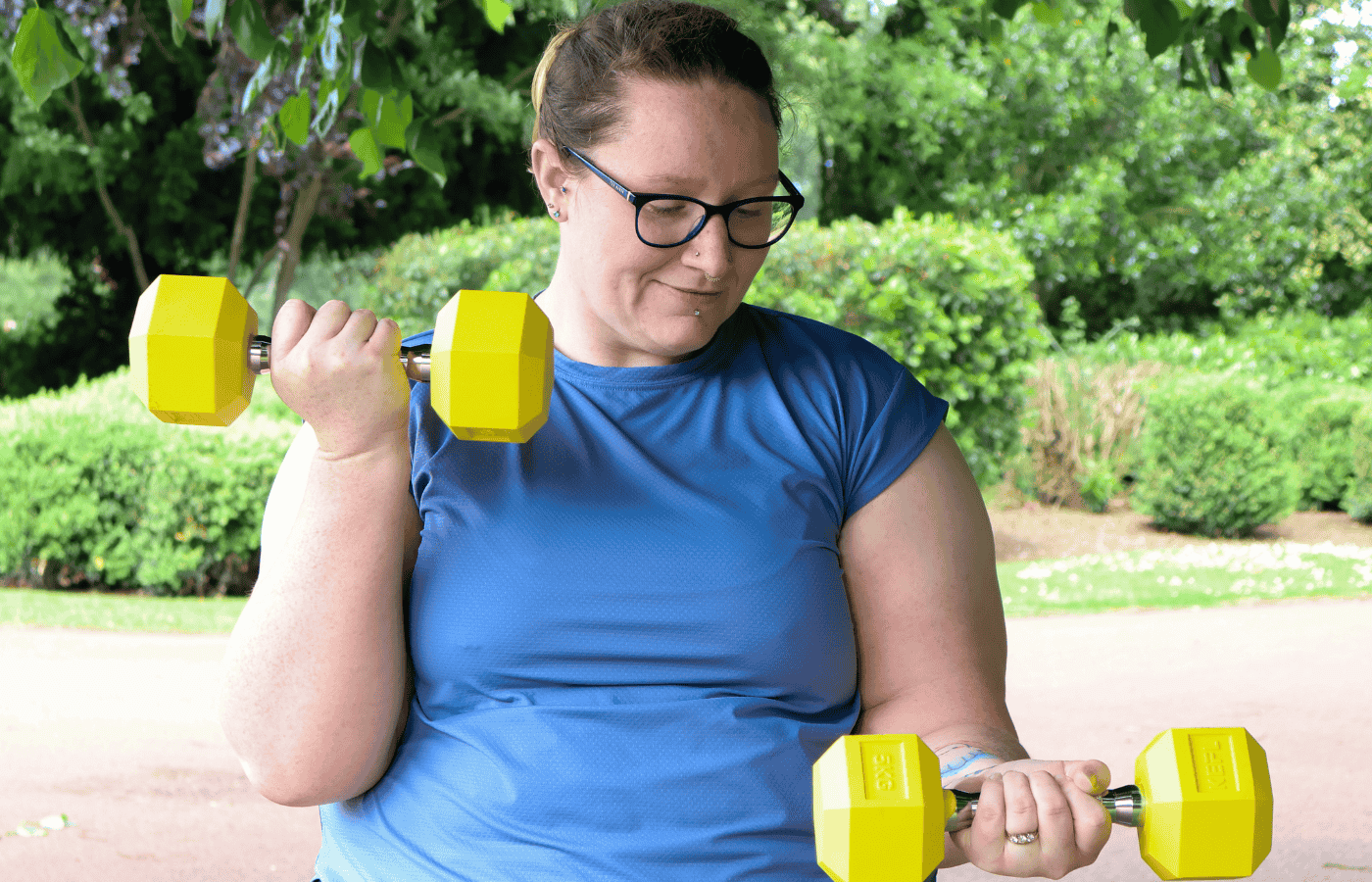
Is Online Personal Training Good for Autistic and ADHD Adults?
Is online personal training a good fit for autistic and ADHD adults? An autistic, ADHD personal trainer's honest look at the benefits, the downsides, and what to look for in a neurodivergent-friendly online coach.
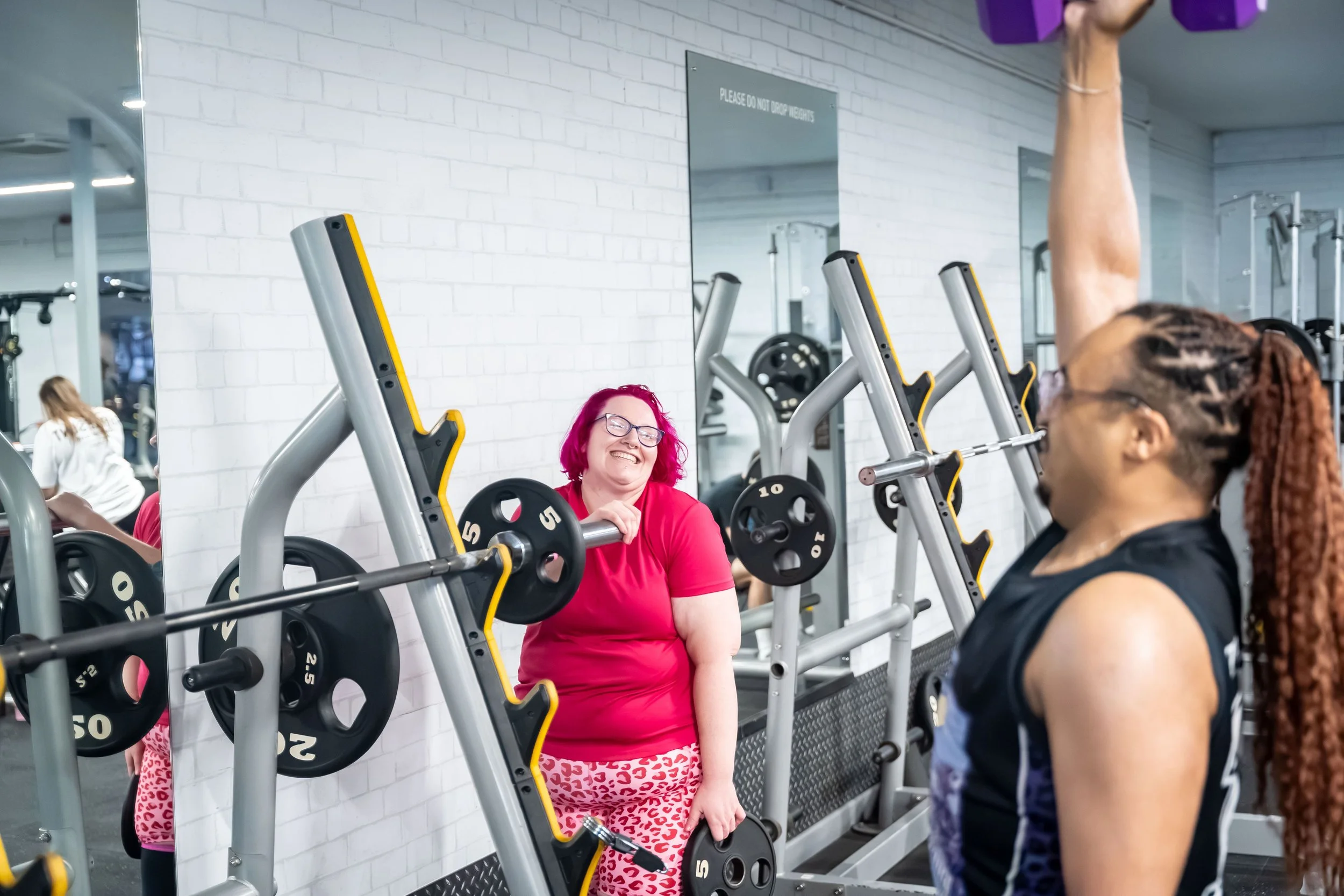
Fitness Programmes for Gym Anxiety: What Actually Helps
Gym anxiety isn't a lack of willpower, most fitness programmes just aren't built for it. Here's what actually helps: knowing exactly what to do before you walk in, sensory strategies for the real gym environment, and scripts for every awkward moment. A guide for autistic, ADHD and anxious adults.
Online Strength Training for Sensory Sensitivities: What Actually Works
Looking for online strength training tailored for sensory sensitivities? Here's what to look for and why the Sensory-Safe Strength System is built differently.
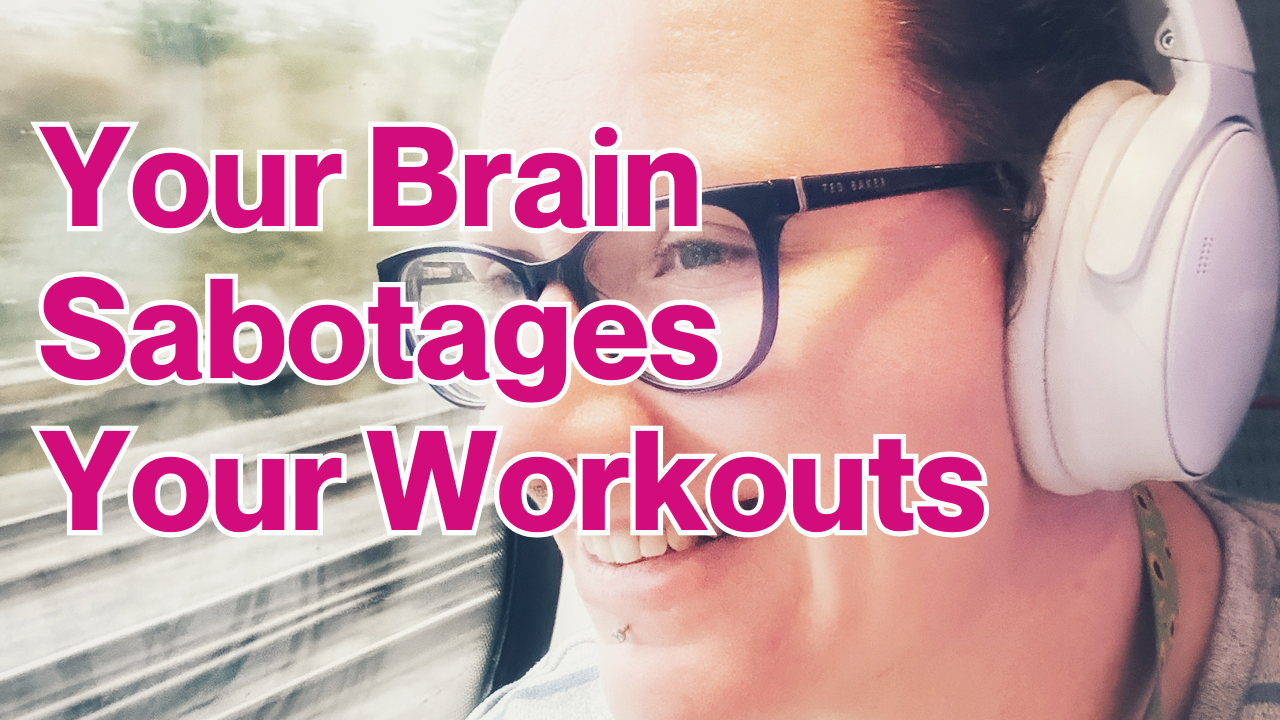
Executive Function & Fitness: Resources for a Routine That Sticks
You want to exercise but can't make it happen. It's not laziness; it's executive dysfunction. Here are 10 strategies that actually work with your neurodivergent brain.
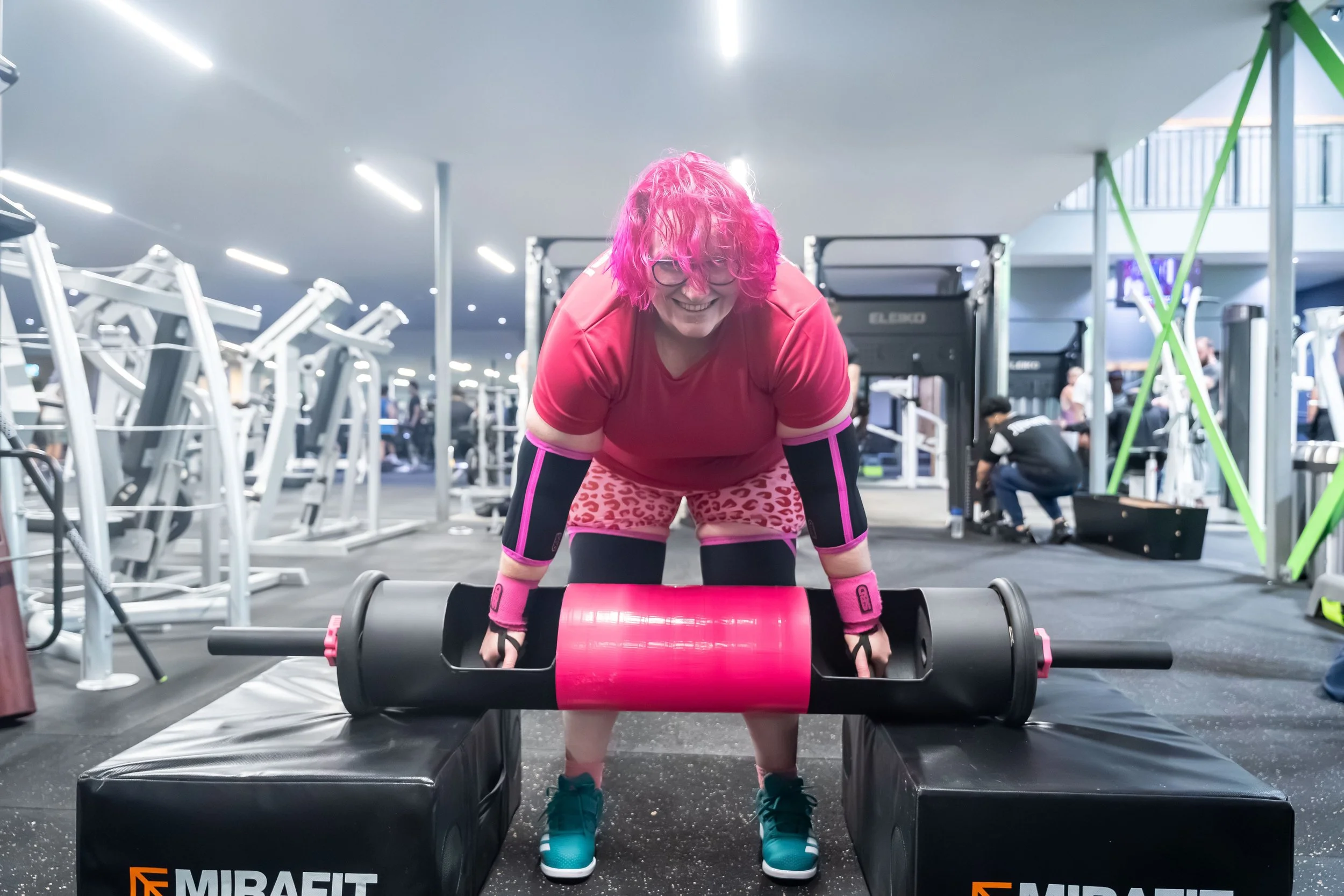
What Is Gymtimidation & How Do You Overcome It?
Gymtimidation is the fear of feeling judged or out of place at the gym. As an autistic and ADHD personal trainer, I've felt it too. Here's what triggers it, how to go to the gym alone, and the practical steps that actually help you overcome it.
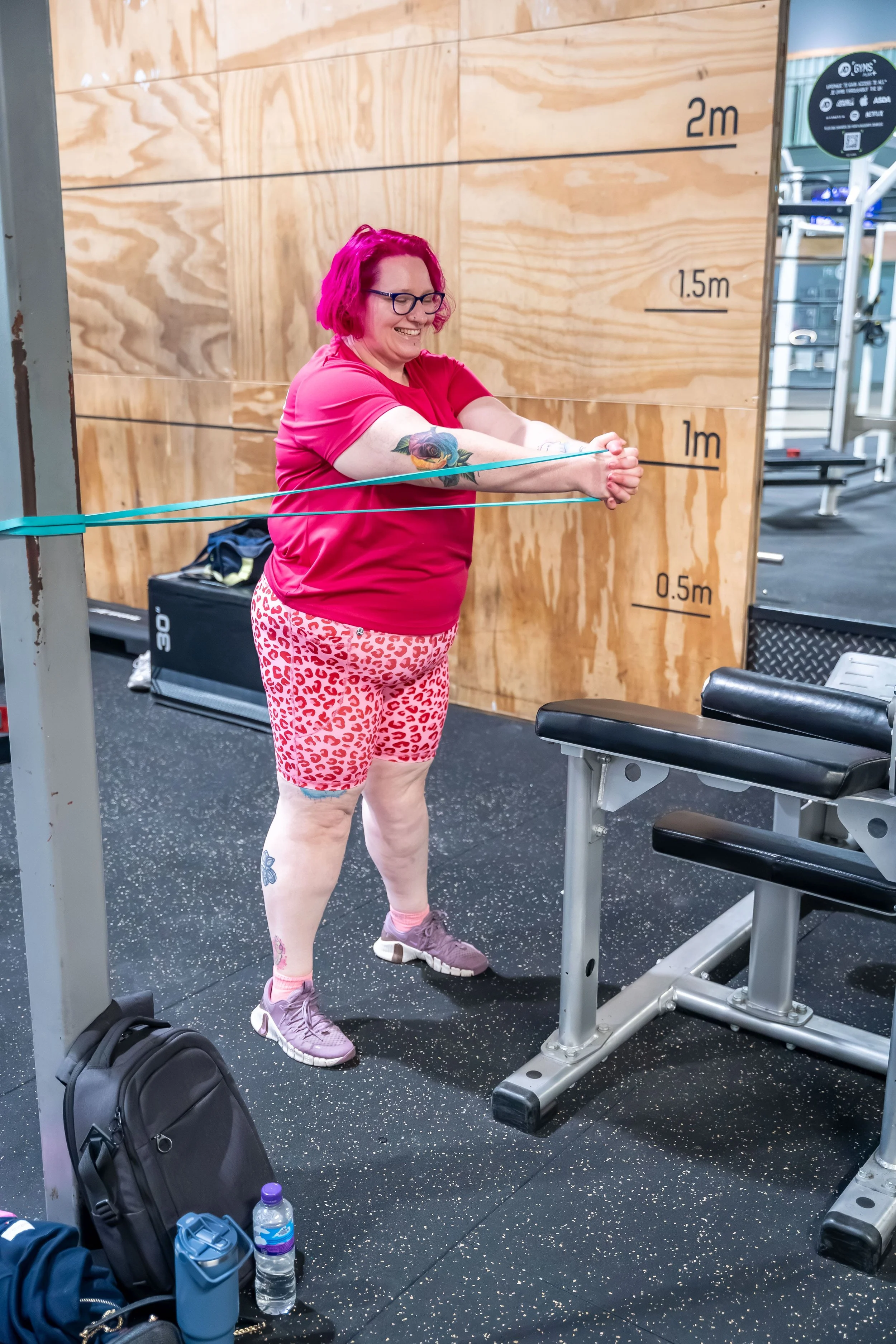
The Best Gyms in Wolverhampton: An Honest Comparison From a Neurodivergent PT
Looking for the best gym in Wolverhampton? I compare JD Gyms, PureGym, The Gym Group, WV Active and more on what actually matters: how busy they get, how they feel to train in, equipment and price. Plus a quick quiz to find the right gym for you.
When Rejection Feels Like Too Much: Understanding Rejection Sensitive Dysphoria (RSD)
Rejection Sensitive Dysphoria (RSD) is intense emotional pain triggered by real or perceived rejection. It's most closely linked with ADHD, many autistic people experience it too, and it's far more than "being sensitive." Here's what RSD is, why it happens, and nine practical strategies to help you manage it.

Sensory-Friendly Workout Modifications for Autistic & ADHD Adults
Noise, lights and crowded gyms can make exercise feel impossible when you're autistic or ADHD. Here's how to choose quieter equipment, set up a sensory-friendly home workout space, and modify your training so it works with your nervous system, not against it.